Monday to Friday: 9.30am – 03.00pm
2nd & 4th Saturday – 11.00 AM to 12.00 PM
Email: info@oxfordeastinternationalschool.com
Phone: +91- 7757870277
When parents evaluate CBSE schools for their children, they often focus on curriculum, infrastructure, and reputation. However, one critical factor that directly influences a child’s learning experience is the student-teacher ratio.
This ratio, which refers to the number of students assigned to one teacher, plays a defining role in how effectively a child learns, engages, and grows within a school environment. In CBSE schools, where concept clarity and continuous assessment are central to the education system, the student-teacher ratio becomes even more important.
The student-teacher ratio indicates how many students a single teacher is responsible for in a classroom. A lower ratio means fewer students per teacher, allowing for better interaction, personalized attention, and closer monitoring of academic progress. In contrast, a high student-teacher ratio often leads to crowded classrooms, limited individual focus, and reduced engagement.
CBSE as a board emphasizes understanding concepts rather than rote learning. For this approach to work effectively, teachers must be able to identify individual learning gaps, encourage questions, and guide students through subjects at a comfortable pace. This is only possible when classrooms are not overcrowded.
Academic performance is closely linked to how well students understand concepts. In CBSE schools with a balanced student-teacher ratio, teachers can spend time explaining topics in multiple ways until students grasp them fully. Children feel more comfortable asking questions, clarifying doubts, and participating in discussions.
In overcrowded classrooms, even the most experienced teachers may struggle to give equal attention to every student. Some children may hesitate to ask questions, while others may fall behind without timely intervention. Over time, these gaps can impact confidence, exam performance, and overall interest in learning.
Every child learns differently. Some students understand concepts quickly, while others need repetition and additional guidance. A healthy student-teacher ratio allows teachers to recognize these differences and adapt their teaching methods accordingly. This individualized approach is essential in CBSE schools, where learning builds progressively from one grade to the next.
When teachers can track each student’s progress closely, they can offer timely support, corrective feedback, and encouragement. This not only improves academic outcomes but also helps students develop a positive attitude toward learning.
Education is not limited to textbooks and exams. A child’s emotional well-being and social development are equally important. In classrooms with fewer students, teachers are more likely to notice changes in behavior, stress levels, or emotional challenges. Early identification allows schools to support students before issues escalate.
A lower student-teacher ratio also encourages better classroom discipline and a more inclusive environment. Students feel seen, heard, and valued, which strengthens their self-esteem and sense of belonging. This supportive atmosphere is particularly important during the formative years of schooling.
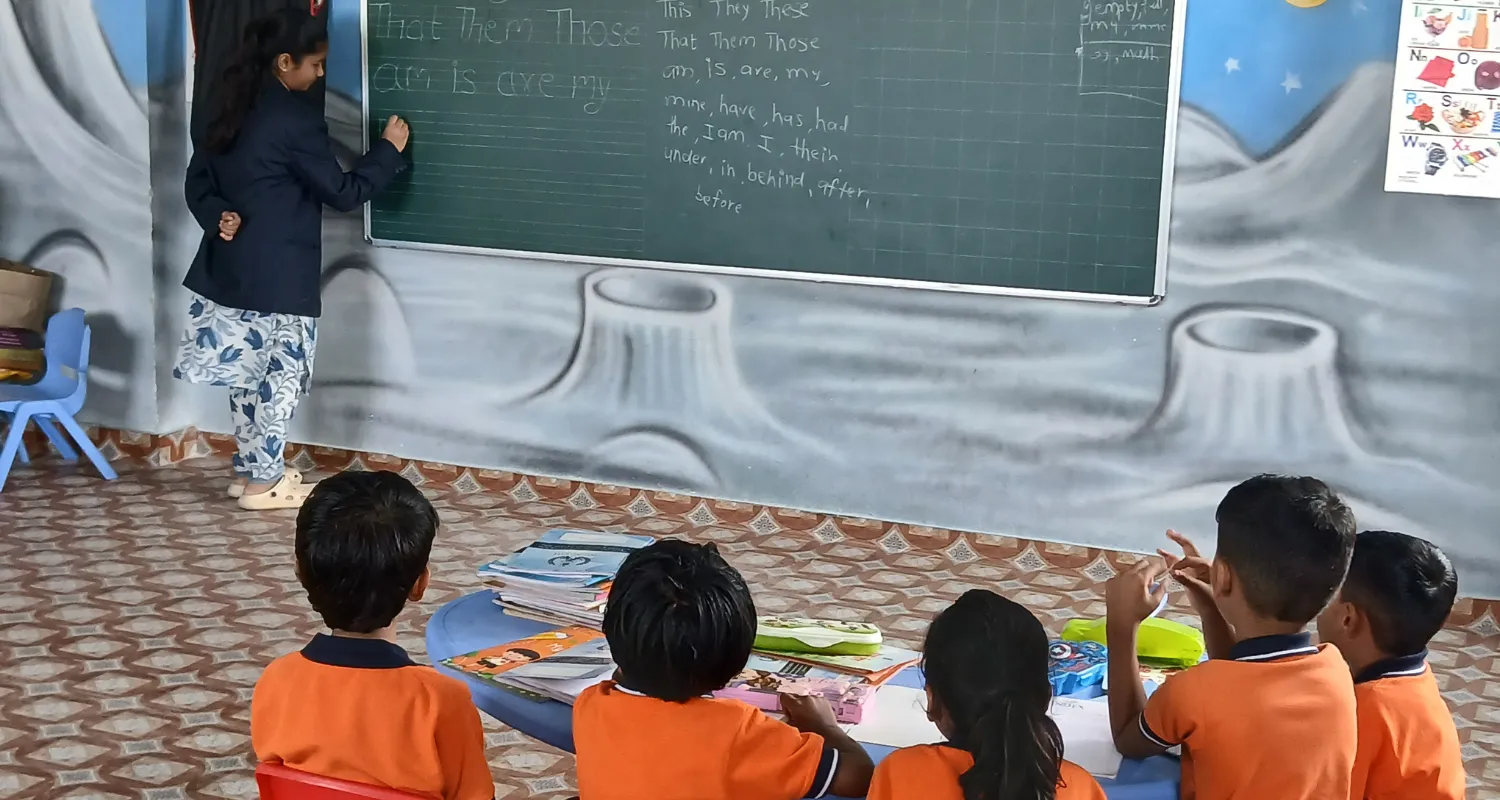
Active classroom engagement is a key goal of modern CBSE education. Group discussions, activity-based learning, and interactive teaching methods require manageable class sizes. When classrooms are not overcrowded, teachers can involve every student in activities, projects, and discussions.
This level of engagement helps students develop communication skills, critical thinking, and confidence. It also ensures that learning remains enjoyable rather than stressful, which is crucial for long-term academic success.
Teachers are the backbone of any school. When a teacher is responsible for too many students, the workload increases significantly. Lesson planning, assessments, evaluations, and individual feedback become challenging. Over time, this can affect teaching quality and teacher motivation.
CBSE schools that maintain a reasonable student-teacher ratio support their teachers by allowing them to focus on quality teaching rather than classroom management alone. This balance leads to better-prepared lessons, meaningful assessments, and stronger teacher-student relationships.
The benefits of a healthy student-teacher ratio extend beyond academics. Students develop better communication skills, stronger confidence, and improved problem-solving abilities. They are more likely to participate actively in class, build positive relationships with teachers, and enjoy the learning process.
Over time, this foundation helps students perform better in higher grades, adapt to academic challenges, and prepare confidently for board examinations and future career paths.
Oxford East International School places strong emphasis on maintaining a balanced student-teacher ratio as a core part of its academic philosophy. The school understands that meaningful learning happens when teachers can connect with students individually, understand their learning styles, and guide them beyond textbooks.
By ensuring manageable class sizes, the school creates an environment where teachers are able to give focused academic attention, address doubts promptly, and track each child’s progress consistently. This approach helps students build strong conceptual foundations, especially in key CBSE subjects where continuity and clarity are essential.
Oxford East International School also recognizes that education goes beyond academics. A healthy student-teacher ratio allows educators to observe students closely, support their emotional well-being, and encourage participation in classroom discussions and activities. Children feel more confident expressing themselves, asking questions, and engaging actively in the learning process.
Young children need more guidance, reassurance, and interaction. A lower student-teacher ratio helps teachers understand each child’s learning pace and emotional needs during early schooling years.
Yes, a lower ratio often leads to better concept clarity, timely doubt resolution, and improved academic performance because teachers can focus on individual students.
With fewer students, teachers can manage classrooms more effectively, encourage positive behavior, and maintain a calm, focused learning environment.
Both matter, but student-teacher ratio directly affects daily learning. Even the best infrastructure cannot replace personalized guidance from teachers.
Join OEIS and become part of a dynamic team committed to shaping the future