Monday to Friday: 9.30am – 03.00pm
2nd & 4th Saturday – 11.00 AM to 12.00 PM
Email: info@oxfordeastinternationalschool.com
Phone: +91- 7757870277
In today’s fast-changing world, academic knowledge alone isn’t enough. Students need practical abilities that help them face real-life challenges with confidence. This is where Life Skills Activities for Students play a vital role. These activities not only build independence but also improve decision-making, communication, and emotional intelligence.
At Oxford East International School, educators focus on developing well-rounded individuals by integrating meaningful life skills into everyday learning.
Life skills are essential abilities that help students handle daily tasks, social interactions, and future responsibilities effectively. These include communication, problem-solving, critical thinking, time management, and emotional control.
Incorporating Life Skills Activities for Students ensures that children don’t just learn theories but also understand how to apply knowledge in real-world situations. These skills prepare them for both personal and professional success.
Life skills help students grow beyond textbooks. They build confidence, improve social behavior, and make students more adaptable.
Some key benefits include:
Better decision-making abilities
Improved communication and teamwork
Enhanced emotional intelligence
Increased independence
Many Schools in Hadapsar and reputed CBSE Schools in Uruli Devachi have already started focusing on practical learning methods to ensure students are future-ready. This is why introducing the Best Life Skills Activities for Students at an early stage is crucial.
You May Also Like This Blog:- Role of Teachers in Primary School Child Development
Here are some of the most effective and engaging Life Skills Activities for Students that schools and teachers can implement:
Role-playing helps students understand real-world interactions in a safe environment. It builds confidence and prepares them for everyday situations.
Improves communication skills
Encourages practical learning
This activity allows students to express their thoughts and listen to others. It helps them develop clarity in thinking and respect different opinions.
Enhances critical thinking
Improves listening skills
Builds confidence in speaking
Students learn how to prioritize tasks and manage their time effectively. This habit is essential for both academic and personal success.
Teaches discipline and planning
Improves productivity
These activities encourage students to think logically and find solutions independently. It strengthens their decision-making ability.
Boosts analytical thinking
Encourages creativity
Develops independence
Understanding money management at an early age helps students become responsible adults. It prepares them for real-life financial decisions.
Teaches saving habits
Builds budgeting skills
Promotes responsible spending
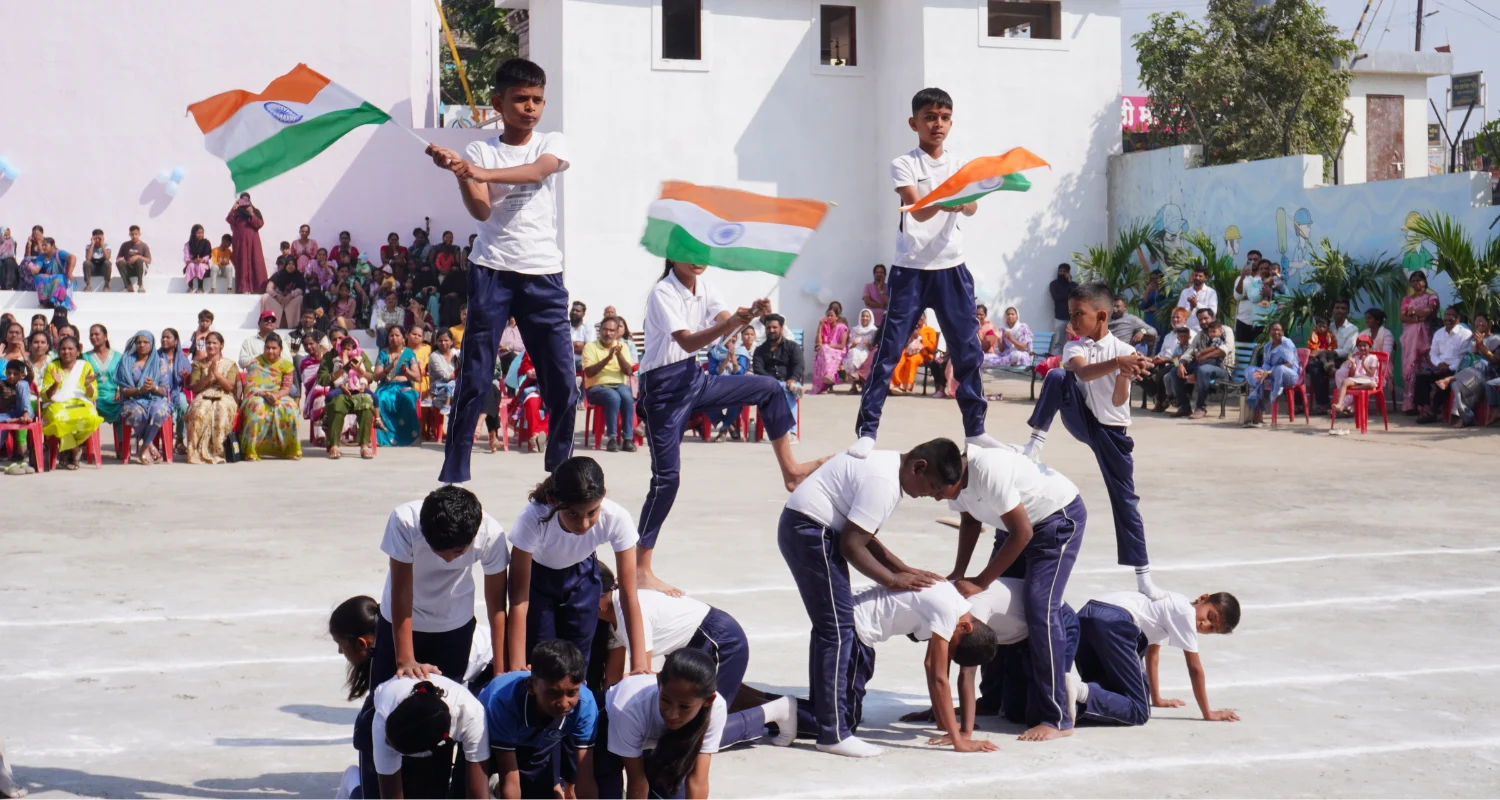
Working in teams helps students learn cooperation and leadership. It also improves their ability to handle group responsibilities.
Encourages teamwork
Develops leadership skills
Improves coordination
Public speaking helps students overcome fear and express ideas clearly. It is a key skill for future success.
Builds confidence
Reduces stage fear
These games help students understand the consequences of their choices. They learn to think before making decisions.
Improves judgment skills
Encourages quick thinking
Builds responsibility
Students learn to understand and manage their emotions effectively. This helps in building strong relationships.
Improves self-awareness
Builds empathy
Enhances emotional control
Giving students leadership roles helps them take responsibility. It also builds confidence and accountability.
Develops decision-making skills
Encourages responsibility
Builds confidence
This activity gives students practical knowledge to handle emergencies. It builds awareness and responsibility.
Teaches emergency response
Builds confidence in crisis situations
Simple daily tasks help students develop discipline and independence. It prepares them for real-life responsibilities.
Builds accountability
Encourages self-discipline
Improves organizational skills
You May Also Like This Blog:- Why Early Admission Planning Reduces Stress for Parents
Teachers play a key role in shaping a student’s personality. Instead of teaching life skills separately, they can integrate them into daily lessons.
For example:
Use storytelling to teach decision-making
Assign group work to improve teamwork
Include presentations for communication skills
Encourage problem-solving through case studies
By blending academics with Life Skills Activities for Students, learning becomes more practical and engaging. Many forward-thinking institutions, including Schools in Hadapsar, are already adopting this approach to modern education.
You May Also Like This Blog:- Good Touch, Bad Touch: Child Safety Guide
At Oxford East International School, practical learning is a priority. Students are regularly involved in activities that prepare them for real-world situations.
Some examples include:
Interactive workshops on communication and leadership
Classroom responsibilities that build accountability
Group projects that encourage collaboration
Activities focused on emotional well-being
Such initiatives highlight why choosing the Best Life Skills Activities for Students is essential for holistic development. Leading CBSE Schools in Uruli Devachi are also moving towards similar student-focused learning methods.
Beyond the classroom, students can benefit from:
Sports and outdoor activities for teamwork
Art and creativity sessions for self-expression
Community service for empathy and social awareness
These Skills Activities for Students ensure balanced growth and help students develop into responsible individuals.
You May Also Like This Blog:- How to Choose the Right Nursery School for Your Child
Incorporating Life Skills Activities for Students is no longer optional—it is essential for shaping confident, capable, and independent individuals. From communication to problem-solving, these skills prepare students for real-life challenges that go far beyond academics.
With the right mix of activities, guidance, and practical exposure, schools can create an environment where students thrive both personally and professionally. At Oxford East International School, the focus remains on nurturing students with the right skills, mindset, and confidence to succeed in the modern world.
You May Also Like This Blog:- How to Decide the Right Age for LKG Admission for Your Child
Q1. What are the 10 life skills defined by WHO?
According to the World Health Organization (WHO), the core life skills include critical thinking, problem-solving, decision-making, effective communication, interpersonal skills, self-awareness, empathy, creative thinking, and the ability to manage stress and emotions.
Q2. At what age should students start learning life skills?
There is no fixed age to begin learning life skills. In fact, introducing them during early childhood or primary school through play and simple activities helps children gradually develop emotional and social maturity.
Q3. Are life skills more important than academics?
Life skills and academics go hand in hand. While academics build knowledge, life skills enhance a student’s ability to apply that knowledge effectively, improving both academic performance and social behavior.
Q4. How can parents help children develop life skills at home?
Parents play a crucial role by involving children in daily activities like decision-making, budgeting, and planning. Encouraging open conversations and empathy helps children build strong emotional and social skills.
Q5. How can technology help students learn life skills?
Technology provides interactive ways for students to develop essential skills like teamwork, leadership, and time management. Tools such as virtual collaboration platforms and digital learning resources prepare students for real-world environments.
Join OEIS and become part of a dynamic team committed to shaping the future