What Parents Should Expect in Primary School Education
What Parents Should Expect in Primary School Education
What Parents Should Expect in Primary School Education
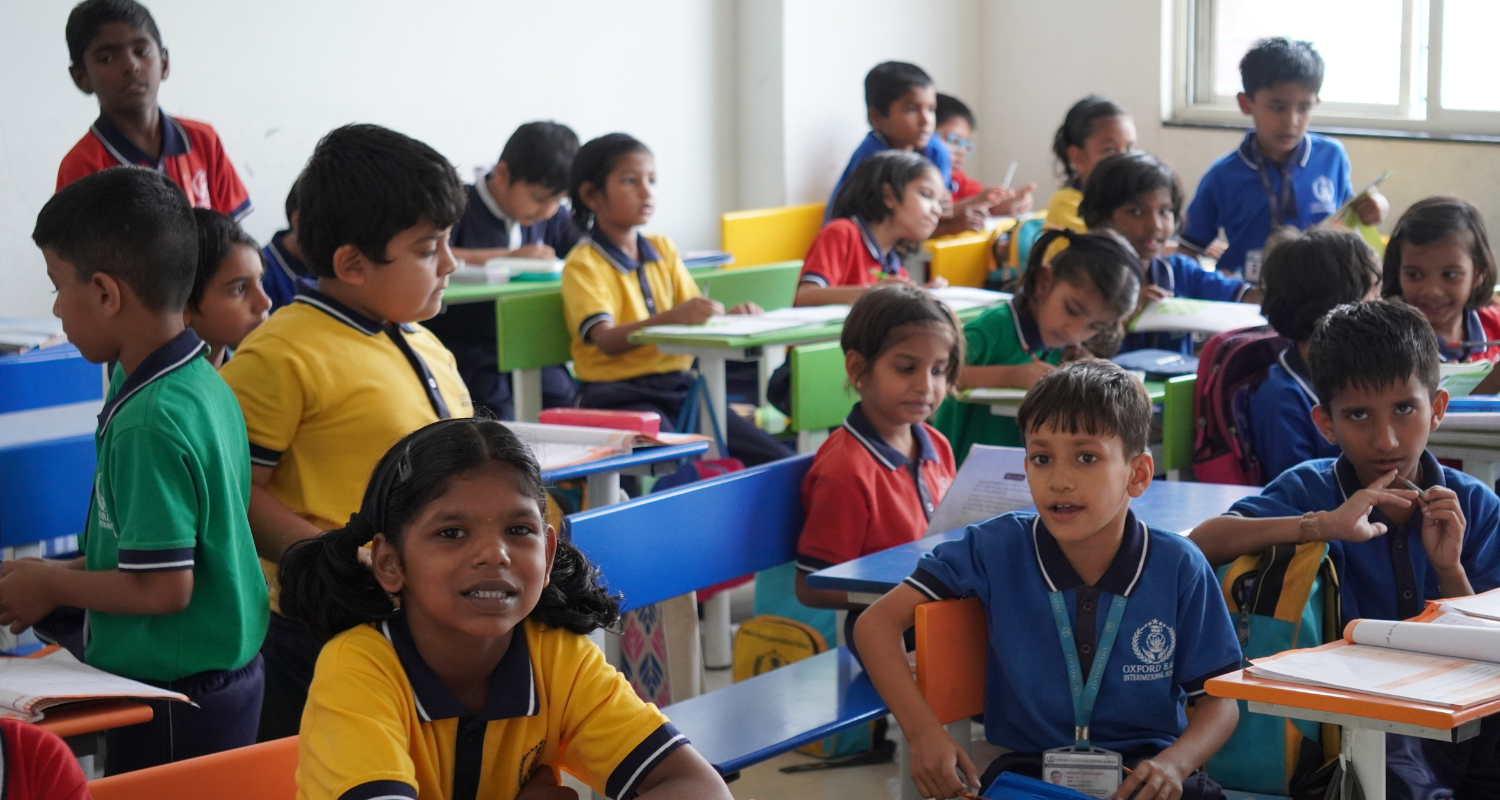
The transition into primary school is one of the most defining phases in a child’s life. For parents, it often comes with a mix of excitement, curiosity, and important questions about what lies ahead. Primary education is no longer limited to textbooks and memorization. It is a carefully designed journey that shapes how a child reads, writes, thinks, communicates, and adapts to the world around them.
Understanding what to expect from primary school education helps parents make informed decisions and actively support their child’s growth. In modern academic environments, especially in structured systems like the Oxford East International School, the focus has shifted toward holistic development rather than just academic performance.
A Strong Foundation in Reading and Language Skills
One of the first things parents should expect is a strong emphasis on language development. Reading is introduced not just as a subject, but as a lifelong skill. Children are gradually taught phonics, word recognition, and sentence formation in a way that feels natural and engaging.
In well-structured classrooms, storytelling, reading circles, and interactive sessions are commonly used to build vocabulary and comprehension. Over time, children develop the ability to understand, interpret, and express ideas confidently. This early exposure to language forms the base for all future learning.
Writing skills evolve alongside reading. Initially, children focus on letter formation and basic sentence construction. As they grow, they begin expressing thoughts through short paragraphs, creative stories, and structured responses. Parents should expect a gradual but consistent improvement in both clarity and creativity.
Learning Beyond Rote Memorization
Modern primary education is designed to move away from rote learning. Instead of memorizing answers, children are encouraged to understand concepts deeply. This approach ensures that knowledge is retained and applied effectively.
Teachers now use real-life examples, activities, and interactive methods to make lessons more relatable. Whether it is mathematics, environmental studies, or language, the goal is to help children connect what they learn with real-world situations.
Parents may notice that children are asked more “why” and “how” questions rather than simply recalling facts. This shift is intentional, as it builds curiosity and promotes independent thinking.
Primary school is where thinking skills begin to take shape. Children are encouraged to analyze, question, and explore rather than passively absorb information.
Classroom discussions, problem-solving activities, and project-based learning play a key role in this process. Instead of being given direct answers, students are guided to find solutions on their own. This builds confidence and strengthens decision-making abilities.
Parents should expect their children to become more inquisitive over time. Asking questions, forming opinions, and expressing ideas are all signs of healthy cognitive development.
Education is not just about academics. Primary school is also where children learn how to interact, share, and collaborate with others. Social and emotional development is an integral part of the learning process.
Children are taught values such as empathy, respect, and teamwork through group activities and classroom interactions. They learn how to manage emotions, resolve conflicts, and build relationships.
Parents may observe changes in their child’s behavior, such as improved communication skills and greater independence. These are positive indicators of overall development.
Technology has become an essential part of modern education. In primary schools, it is used to enhance understanding and make lessons more engaging.
Interactive boards, educational apps, and digital content help simplify complex topics. For example, animated lessons can make abstract concepts easier to grasp, while interactive exercises reinforce learning.
However, technology is used as a supportive tool rather than a replacement for traditional teaching. The balance between digital and classroom learning ensures a well-rounded educational experience.
Why Choose Oxford East International School?
As a reputed CBSE School in Hadapsar and CBSE School in Undri, Oxford East International School stands out for its commitment to holistic education. The school focuses on building strong foundational skills that prepare students for future academic and personal success.
With a balanced approach that combines academics, creativity, and critical thinking, the school ensures that every child develops the ability to read effectively, write confidently, and think independently.
Primary school education is a transformative phase that lays the foundation for lifelong learning. It is a blend of academic growth, skill development, and personal evolution. Parents should expect a balanced approach that nurtures reading, writing, thinking, and emotional intelligence.
With modern teaching methodologies, structured curricula, and a focus on holistic development, primary education equips children with the tools they need to succeed in an ever-changing world. By understanding these expectations, parents can actively support their child’s journey and ensure a positive and enriching learning experience.